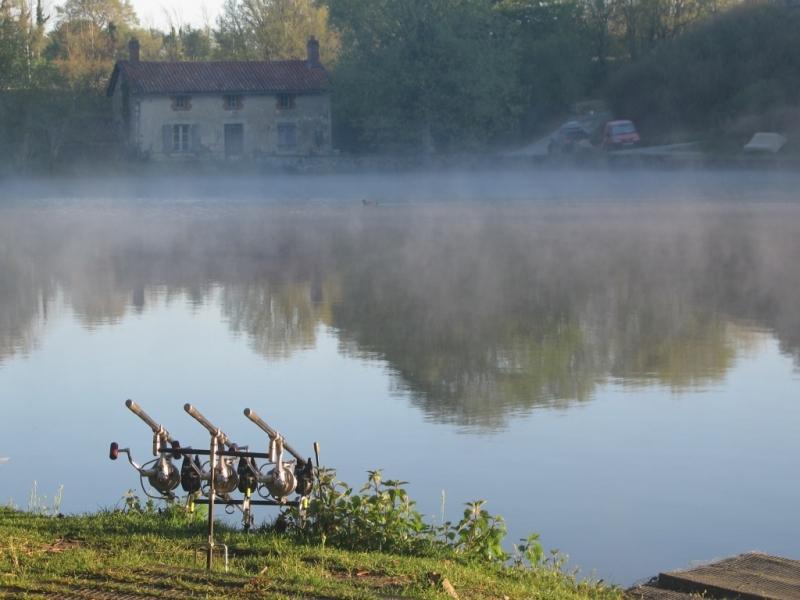
Many of the UK-owned carp lakes in France were bought 15 or 20 years ago, and a lot of owners are now thinking about what comes next: retiring, moving back to the UK, or handing over to someone with fresh energy. Selling a lake isn’t like selling an ordinary house. Buyers ask about the fish, the water, the paperwork and the bookings as much as the bedrooms, and most French estate agents rarely sell a fishery.
This guide walks you through it: what drives a lake’s value, the paperwork to get ready, the sale process in France, the tax to plan for, and how to reach the UK anglers who make up most buyers.
What is my lake worth?
A fishing lake’s value usually comes from three things added together:
- The property. The house, gîtes, outbuildings and land, valued much like any rural property nearby. Recent sale prices of similar properties in your area are the starting point.
- The fishery as a business. If the lake takes bookings, buyers will look at how many weeks a year it books and at what price, both last season and the bookings already taken for next season. A lake with a steady booking record is worth more than the same water with no trading history.
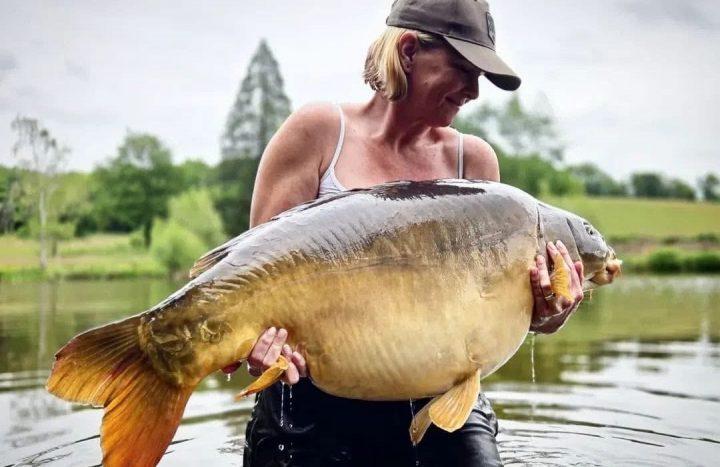
- The water and the fish. Lake size, depth, water supply and, above all, the stock. A documented head of big carp, with photos, weights and stocking receipts, is one of the biggest drivers of value for a carp fishery.
Things that hold a price back include missing DDT paperwork, an unclear “eaux closes” status, no otter fencing near a river, a dam or overflow needing work, and accommodation without the right permissions. Fixing what you can before you sell, or at least knowing about it, helps you avoid a price cut late in the sale.
Get your paperwork ready
Buyers of a lake, and their notaire, will ask for much more than a normal house buyer. Gathering it early speeds up the sale and reassures buyers that there are no surprises. Aim to have:
- The lake’s legal status: the DDT declaration or authorisation for the lake, any “fondé en titre” evidence if the lake dates from before 1789, and anything confirming it is a private “eaux closes” water.
- Fish stock records: stocking receipts from approved fish farms, catch records, and dated photos of the biggest fish.
- Booking and business records if you take paying anglers: weeks booked, prices, deposits held for future bookings, and your accounts.
- Permissions for any gîtes, lodges, swims or other buildings added over the years.
- Works and maintenance: dam and sluice repairs, otter fencing, aeration equipment and any desilting or other work done on the lake.
The diagnostics a seller must provide
As in any French property sale, the seller provides a set of technical surveys (the dossier de diagnostic technique) carried out by a certified diagnostician. Depending on the property, it can include:
- the energy performance certificate (DPE), plus an energy audit for houses rated E, F or G
- a natural and technological risks report (ERP)
- asbestos, for buildings with a planning permit from before July 1997
- lead, for homes built before 1949
- electricity and gas, where the installations are more than 15 years old
- termites, in areas covered by a prefectoral order
- the septic tank inspection, if the property isn’t on mains drainage, which is the case for most rural lakes
Missing diagnostics can cause real problems: without them, the seller may not be protected against a later claim for hidden defects. Book them early, because some (such as termites and the risks report) are only valid for six months.
Present your lake well
- Photos through the seasons: the lake in summer, the house and accommodation, the swims, and drone shots that show the whole site.
- The fish: good photos of the stock, with weights. For carp anglers, this is often what makes them pick up the phone.
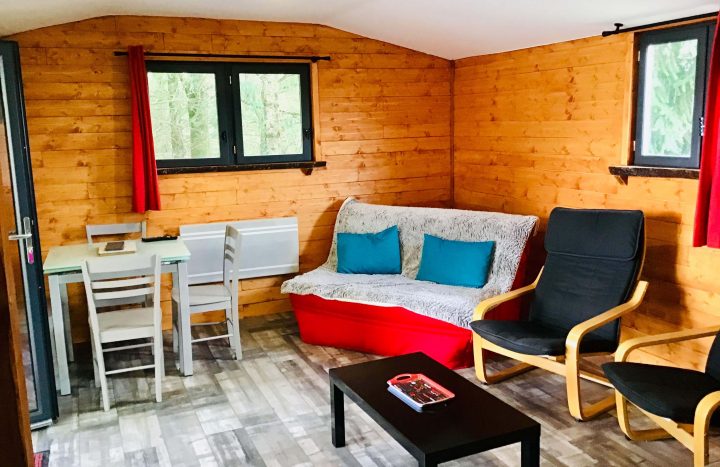
- The detail anglers care about: lake size and depth, number of swims, facilities, distance to the ferry ports and airports, and what’s included for paying guests.
Finding a buyer
Most buyers of carp lakes in France are UK and European anglers, and many of them start their search online. A local French agent may value the house well but have little idea how to market a carp fishery to British buyers.
DreamCarp Holidays is used every week by UK anglers looking at carp lakes in France, and our lakes for sale in France page puts lakes in front of buyers who already know what they’re looking for. If your lake already takes bookings through DreamCarp Holidays, its booking record and catch reports give buyers real evidence of how it performs, which makes it easier to value and sell.
If you’re thinking of selling, get in touch and we’ll explain how we can help put your lake in front of the right buyers.
How a sale works in France
- Offer: once you accept an offer, the notaire prepares the preliminary contract.
- Compromis de vente: both sides sign, and the buyer usually pays a deposit of 5–10%. A buyer of residential property has a 10-day cooling-off period after signing. The compromis can include conditions, most often the buyer getting a mortgage.
- Checks: the notaire carries out the legal searches. Sales of rural land are notified to the SAFER, the rural land agency, which in some cases can step in and buy.
- Acte authentique: the final deed is signed, usually two to three months after the compromis, and you receive the sale price.
The buyer normally pays the notaire’s fees. As the seller, you pay for the diagnostics and any agent’s commission you’ve agreed.
Selling with bookings in place
If anglers have already booked weeks for next season, agree in the compromis what happens to those bookings and the deposits you’ve taken. Most buyers of a trading fishery want the bookings to carry on, as they’re part of what they’re paying for.
Tax when you sell
If the lake isn’t your main home in France, the gain is normally subject to French capital gains tax: 19% income tax plus social charges, with taper relief that reduces the taxable gain the longer you’ve owned the property. The social charges rate for UK residents has changed since Brexit and depends on your situation, so check the current position for you. Sellers living outside the EU may also need a tax representative approved by the French tax office. If you’re resident in the UK, you’ll usually need to report the gain there too.
The notaire deducts the French tax from the sale price at completion. Tax rules change and depend on your circumstances, so speak to the notaire or a specialist tax adviser early, before you agree a price. We’re not tax advisers, and this is a general guide only.
Questions
How long does it take to sell a lake in France?
Finding the right buyer can take time, as lakes appeal to a smaller market than ordinary houses. Once you’ve accepted an offer, it’s usually two to three months from the compromis de vente to completion.
Do I have to sell through an estate agent?
No. Private sales are legal in France, but the sale must still go through a notaire. Many owners use an agent or a specialist platform to reach buyers, because finding the right buyer for a fishery is the hardest part.
Who pays the notaire’s fees when selling property in France?
The buyer normally pays them. The seller pays for the diagnostics.
Does a booking history make my lake worth more?
Usually, yes. Buyers of a carp fishery want to know it can pay its way, and a record of weeks booked and prices achieved is the best evidence you can give them.
This is a general guide, not legal or tax advice. Rules change, so check the details with your notaire or adviser.