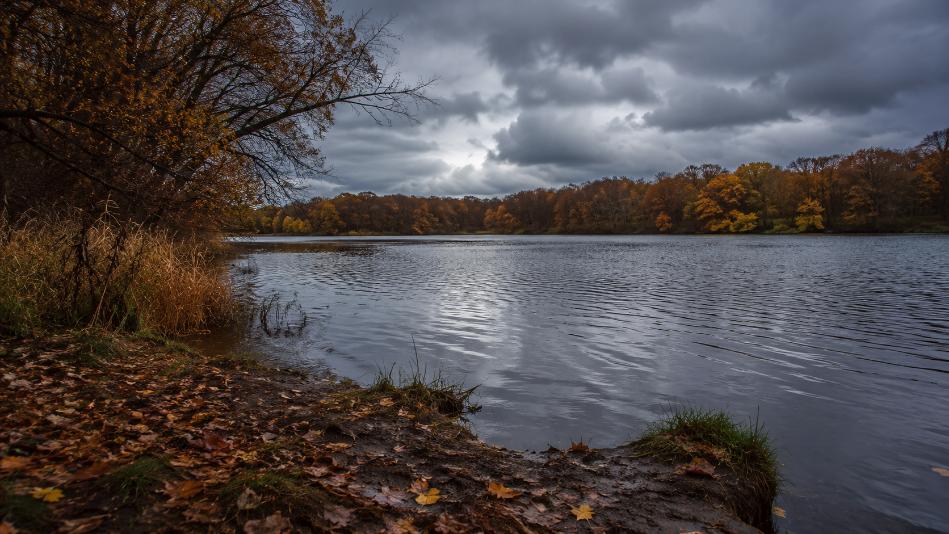
Autumn has always had a special reputation among carp anglers. Cooling temperatures, changing weather and carp approaching some of their best weights of the year can make it one of the most anticipated periods on the fishing calendar.
But there is a problem with simply talking about “autumn carp fishing”.
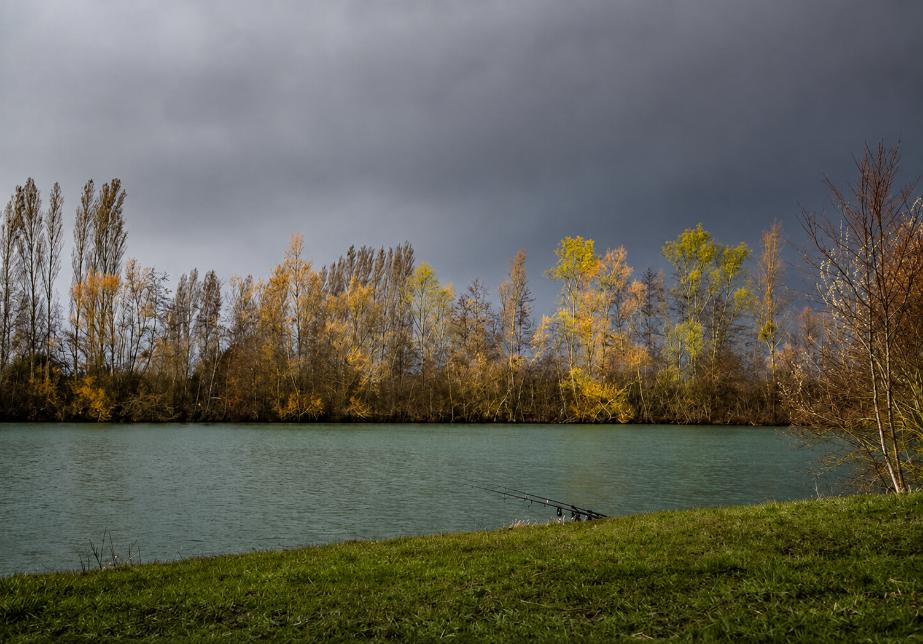
Conditions at the beginning of September can be completely different to those towards the end of October. Early September can still bring warm days, high water temperatures, thick weed and carp behaving much as they did throughout summer. Six or seven weeks later, colder nights, shorter days and rapidly changing weather can produce a very different lake.
That means the tactics that work during early September won’t necessarily be the right approach in late October.
Understanding that transition — and reacting to what is actually happening in front of you — is much more useful than following a fixed set of autumn carp fishing rules.
September Can Still Fish Like Summer
One of the easiest mistakes to make is looking at the calendar rather than the conditions.
September might officially mark the beginning of autumn, but the carp don’t know what month it is.
Following a warm summer, lakes can still be carrying plenty of heat well into September. Weedbeds may remain healthy, natural food can still be abundant and carp can continue spending significant amounts of time in the shallows, margins and upper layers.
Early September can therefore fish much more like August than October.
On warm days, don’t automatically abandon areas that produced throughout the summer. Weedbeds, snags, islands, shallow bars and margins can all remain productive.
Observation remains far more important than seasonal assumptions. Showing fish, bubbling, coloured water, moving reeds and other signs of activity should influence where you fish more than the date on the calendar.
Our guide to carp watercraft and reading a lake looks in more detail at the signs that can help reveal where carp are spending their time.
The Colder Nights Start to Make a Difference
As September progresses, one of the biggest changes isn’t always the daytime temperature — it’s what happens overnight.
Days can remain surprisingly warm while nights become progressively longer and cooler.
Water temperatures change much more slowly than air temperatures, so one cold night isn’t going to instantly transform a lake. But repeated cooler nights gradually begin to take the heat out of the water.
This is when the transition into genuine autumn fishing starts to become more noticeable.
Carp may still feed hard, but feeding periods can become more defined. Areas that produced consistently throughout the day during summer may become quieter, while particular periods around dawn, dusk or during favourable weather changes can become increasingly important.
Rather than completely changing tactics at the first cold night, look for patterns developing over several days.
This is particularly useful on longer sessions. What happened during your first 24 hours shouldn’t dictate how you fish for the rest of the week if the conditions and the behaviour of the carp begin to change.
Carp Location Can Change Quickly Through Autumn
Location matters throughout the year, but autumn can punish anglers who become too attached to a productive spot.
The areas carp used throughout summer aren’t guaranteed to remain their preferred areas as conditions change.
Food availability, water temperature, wind, angling pressure and cover can all influence their movements.
One obvious example is weed.
Healthy weed can provide carp with cover, oxygen and huge amounts of natural food throughout the warmer months. As temperatures fall and weed starts to die back, some of those areas can become less attractive, while other parts of the lake start opening up.
That doesn’t mean you should automatically stop fishing around weed. Healthy weedbeds can remain extremely productive well into autumn. Instead, look at the condition of the weed and, more importantly, whether carp are still using it.
If you’re fishing a lake where weed plays a major part, our guide to fishing effectively for carp in weedy lakes covers the subject in more detail.
Natural food can also influence autumn location.
Bloodworm, snails and other food sources can keep carp returning to particular silty areas even after some of the more obvious summer features have stopped producing.
Sometimes the best autumn spot isn’t the cleanest gravel patch in the swim. It is simply the area where the carp actually want to feed.
Should You Change Your Baiting in October?
The traditional image of autumn carp fishing involves fish going on a huge feeding frenzy before winter.
There certainly can be periods when carp feed extremely heavily during autumn, but assuming they will automatically eat large quantities of bait can be an expensive mistake.
During a warm September session on a well-stocked water, a substantial bed of bait can work extremely well. Carp may still be highly active and groups of feeding fish can clear significant quantities surprisingly quickly.
By October, things can become less predictable.
If the lake is still relatively warm and conditions are favourable, fish may continue feeding aggressively. Following a sudden cold spell, however, that same quantity of bait could sit relatively untouched.
The answer isn’t simply to “use less bait in autumn”.
Instead, let the fish tell you what they want.
Start with an amount appropriate for the water and its stock, then react to what happens.
If you’re getting regular bites and believe several fish are feeding on the spot, topping up can keep the area producing. If nothing is happening, repeatedly introducing more bait isn’t necessarily going to solve the problem.
You can always put more bait in. You can’t take it back out.
We’ve covered this subject in more detail in Bait Application: When to Bait Up and How Much to Put In?.
It is also worth remembering that the amount carp eat isn’t the only consideration. How confidently they are feeding can be equally important. Our article on how carp really feed underwater looks at how competition, feeding behaviour and confidence can influence whether your rig actually gets picked up.
Weather Becomes Increasingly Important
Weather affects carp throughout the year, but during autumn a significant change in conditions can completely alter a session.
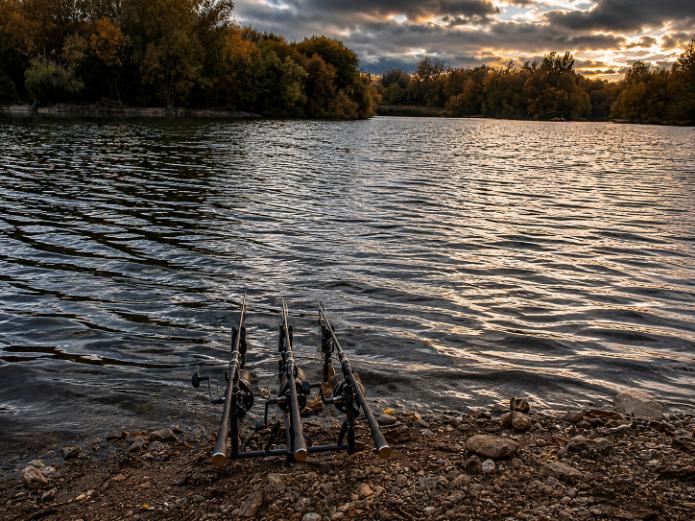
A warm new wind arriving after several days of settled conditions can suddenly bring an apparently quiet lake to life.
Likewise, a sharp drop in temperature accompanied by a cold wind can change where the carp are holding and how confidently they feed.
This becomes particularly noticeable during October, when weather systems can become much more changeable.
Rather than simply looking at whether the forecast shows sunshine or rain, pay attention to the trend.
Has the pressure been high and stable for several days before dropping?
Is a new wind arriving?
Are temperatures rising after a colder period?
Or is the first genuinely cold weather of the autumn approaching?
Changes can often be more important than the absolute numbers.
If a significant weather front is due to arrive during your session, it can pay to think ahead. You may want to position yourself in an area you expect the fish to move towards before the conditions change, rather than trying to react once the lake has already come alive.
We look at wind, pressure, temperature and changing conditions in more detail in our guide to how weather patterns influence carp behaviour.
Don’t Assume the Fish Will Always Follow the Wind
“Get on the end of the wind” is probably one of the most repeated pieces of advice in carp fishing.
Sometimes it is exactly right.
But autumn is a good example of why it shouldn’t be followed blindly.
A fresh, mild wind can push warmer, oxygenated surface water towards one end of a lake and encourage carp to move with it.
A very cold wind can be a different story entirely.
The length of time a wind has been blowing also matters. Carp may respond strongly when a new wind first arrives before gradually changing their position once those conditions have become established.
Lake depth, shape, surrounding trees and the position of shallow and deep water will all influence what happens.
Watch the water rather than automatically heading for the windiest bank.
If the carp are showing somewhere completely different, believe the carp.
Why October Can Produce Exceptional Carp Fishing
By October, the fishing can become less predictable — but the potential rewards can be considerable.
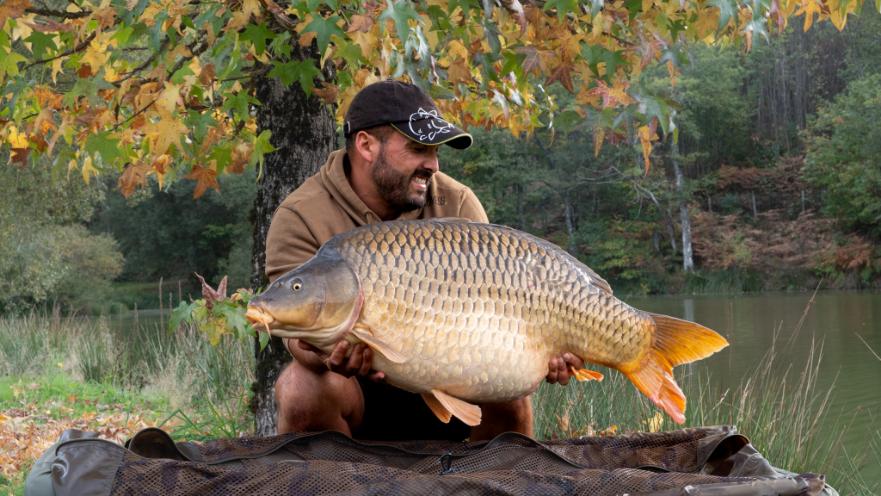
This is often the period many experienced carp anglers look forward to.
Carp can be in excellent condition after months of feeding, and favourable autumn weather can create concentrated spells of activity.
There may also be less angling pressure on some waters than during the height of summer, which can make a noticeable difference.
October fishing can therefore go from seemingly uneventful to exceptional surprisingly quickly.
The key is being prepared to capitalise when an opportunity appears.
If the lake suddenly starts producing after a weather change, don’t assume the feeding spell will last indefinitely. Keep rigs fishing effectively, top spots up appropriately following captures and avoid unnecessary disturbance when the carp are clearly active.
Equally, don’t spend several days waiting for the famous autumn feeding frenzy if all the evidence suggests the fish are somewhere else.
The Type of Lake Makes a Difference
Not every lake responds to autumn in the same way.
A small, shallow water can react relatively quickly to changes in air temperature. A larger or deeper lake is generally slower to lose the heat accumulated during summer.
Stock density can also affect how consistently fish continue to feed as temperatures fall.
A heavily stocked water where carp compete for food may continue producing regular bites later into the year, whereas a low-stock water can require much more precise location.
The same applies when travelling further afield.
For example, anglers taking an autumn carp fishing holiday in France shouldn’t assume conditions will mirror those at home in the UK. A lake several hundred miles further south could still have considerably warmer water and fish behaving much more like they would in late summer.
The important point is that there isn’t one date when every lake suddenly switches from summer to autumn behaviour.
Two venues being fished during exactly the same week can require completely different approaches.
September or October — Which Is Better for Carp Fishing?
If your priority is more consistent conditions, September probably has the advantage.
Water temperatures are generally higher, daylight hours are longer and carp are likely to remain active for longer periods.
October is different.
The weather becomes less predictable and fishing can become more challenging, particularly following the first significant cold spells.
But when the conditions come together, October can produce some outstanding carp fishing.
For anglers who enjoy watching weather systems, adapting their approach and trying to identify short feeding spells, it can be one of the most interesting times of year to be on the bank.
As autumn progresses towards winter, your approach may eventually need to change again. Our guide to locating and catching carp in winter covers that next stage of the seasonal cycle.
Adapt to the Conditions, Not the Calendar
The biggest lesson from autumn carp fishing is simple: don’t fish according to the date.
A hot September afternoon might require almost exactly the same approach as August.
A mild spell in October could produce some of the strongest feeding of the season.
A sudden cold snap could change the lake within a matter of days.
Watch the weather, watch the water and, above all, watch the carp.
Autumn isn’t one set of conditions. It is a transition — and the anglers who recognise those changes and adapt with them are usually the ones who get the most from their time on the bank.